This is a detailed guide to what to anticipate from pool construction in Florida, from design to diving.
Building a Pool in Florida
Start by imagining how you want to use your pool before construction begins. Are you building a pool in Florida for exercise, leisure, family fun, or as a centerpiece for entertaining? Your objectives will influence the size, shape, and features of the pool.
Next, set your budget. Costs for building a pool in Florida can vary widely depending on materials, size, and amenities. Concrete inground pools typically cost more than fiberglass or vinyl options but offer greater customization.
It’s also helpful to browse Pinterest for design inspiration or review local pool builders’ websites to see their previous projects. Knowing what you want will make the next steps of building a pool in Florida much smoother.
Selection of Features and Custom Design
It’s time to design your pool after you’ve engaged a contractor. Pools in Florida frequently have unique features like:
- Beach entrances or tanning ledges
- Boilers and waterfalls
- Inbuilt spas
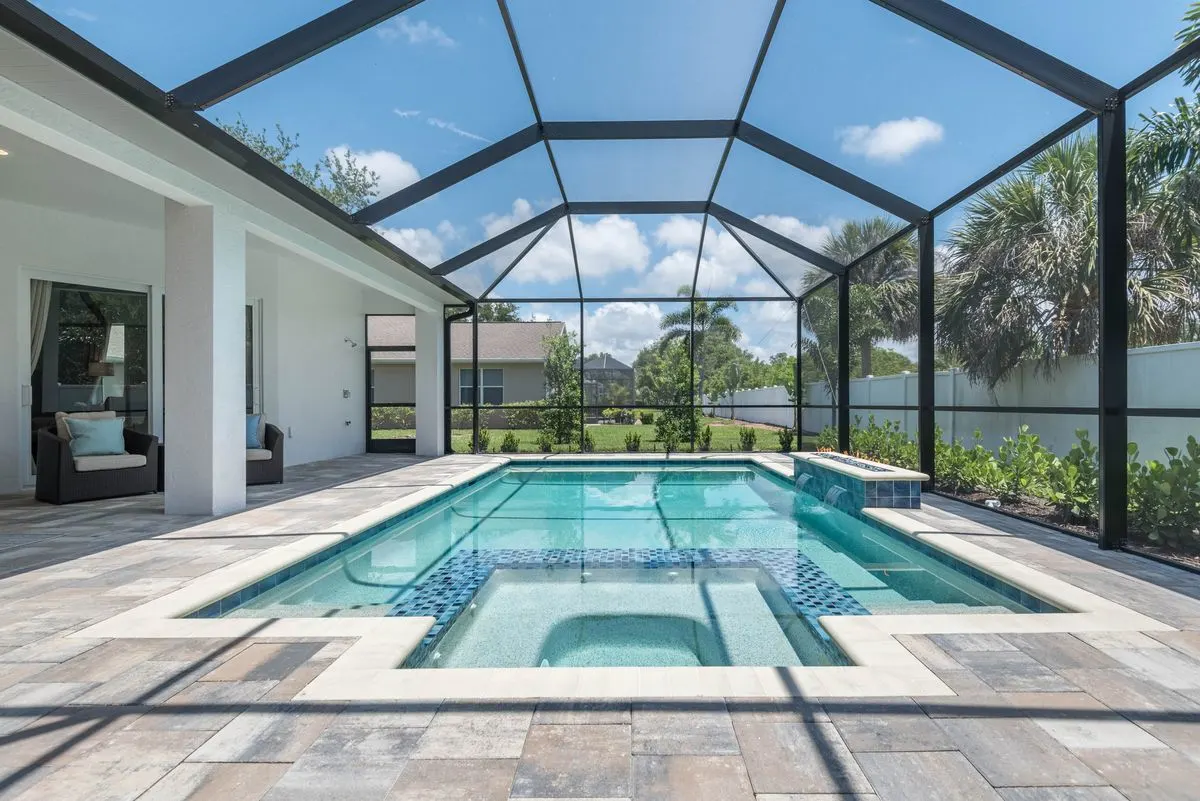
- Enclosures with screens (to keep trash and pests out)
Additionally, you will choose decking materials, finishes, and the surrounding landscape. Are you envisioning a sleek, modern retreat or a tropical oasis? When building a pool in Florida, there are countless options available, and your pool builder can help you select materials and designs that perfectly match your environment and lifestyle.
HOA approval and permits
- Local setback and zoning laws
- Requirements for safety (such alarms or fencing)
- Mapping utility lines
You will also need to get the consent of the Homeowners Association (HOA) if you live in a community with one. There may be a short waiting period before construction starts because this procedure can take some time.
Phase of Construction
After obtaining permissions, excavation is the first step in building, which involves determining the shape of the pool. This is succeeded by:
- Installation of electrical and plumbing systems
- Structural framing and steel
- Installation of shell or gunite (according on the type of pool)
- Coping and tile work
Your builder will arrange inspections during the process to make sure everything complies with Florida’s construction codes. Construction typically takes six to ten weeks, depending on the weather and level of complexity.
Even though building can be messy and noisy, it’s amazing to see your pool come to life.
Completing Details and Starting the Pool
The latter steps start after the building is finished:
- Installing interior finishes (such as plaster, quartz, or pebble)
- Adding water to the pool
- Assessing and regulating the chemistry of water
- Setting up automation systems and equipment
Additionally, your builder will instruct you on how to operate and care for your pool equipment. Maintaining the best possible condition for your pool requires this orientation.
It’s Time to Get Started!
The first swim in your pool is now possible! However, continuing care must still be taken into account. Regular pool care is essential because of Florida’s year-round temperature, which means your pool will probably be used constantly. You can either hire a service to take care of it or do it yourself:
- Testing and balancing of water
- Cleaning surfaces and filters
- Verifying the functionality of the equipment
To lower monthly operating expenses, take into account energy-efficient additions like variable-speed pumps or solar heating.
Considerations Particular to Florida
There are certain advantages to living in the Sunshine State:
- During hurricane season, be sure your pool is secured and has an adequate drainage system.
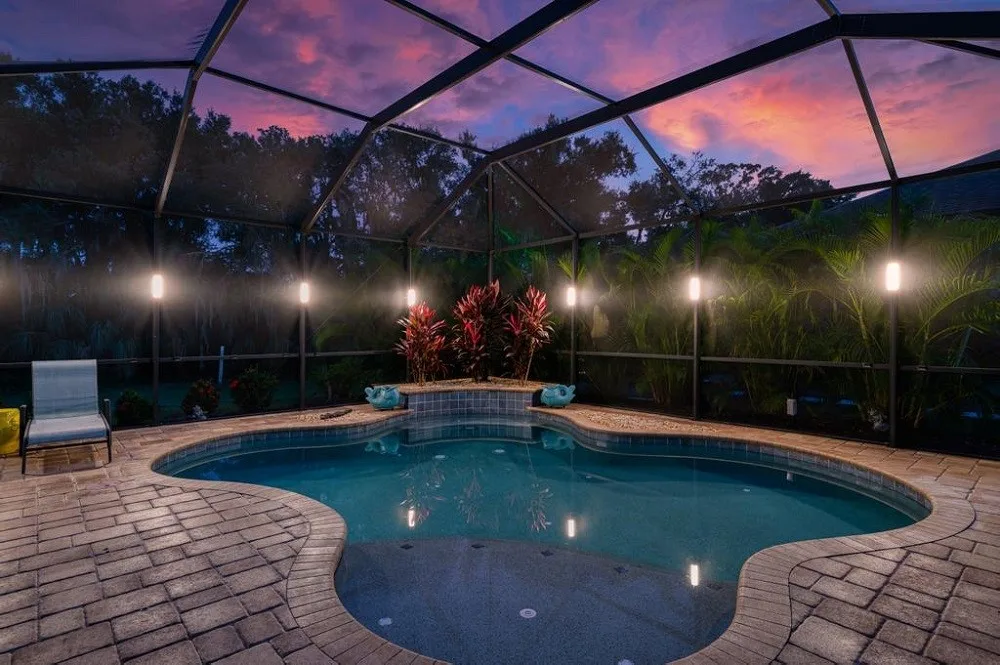
- Bugs and debris: To keep their pools clean and usable all year round, many Floridians choose to install screen enclosures.
- Property value: In Florida’s cutthroat real estate market, a well-designed pool can raise the value of your house when you decide to sell.
Conclusion
In Florida, installing a pool is a lifestyle enhancement rather than just a building project. The procedure requires careful planning, expert craftsmanship, and a little patience, starting with the initial design discussions and ending with your first cannonball. However, the prize? A private haven in your own yard.
Are you prepared to begin your pool adventure? Take the first step from design to dive by getting in touch with a reputable Florida pool builder right now.