
When homeowners think about designing a swimming pool, attention often goes straight to finishes, tile, lighting, or water features. While these elements certainly enhance aesthetics, one of the most critical and often overlooked components of pool design is depth planning. Properly designed pool depth zones play a major role in safety, comfort, and long-term enjoyment for everyone who uses the pool.
Rather than a single, uniform depth, modern residential pools are increasingly designed with intentional depth zones that support different activities, ages, and swimming abilities. Understanding how these zones work can help homeowners make smarter design decisions and avoid costly or unsafe mistakes.
What Are Pool Depth Zones?
Pool depth zones refer to designated areas within a swimming pool that vary in depth based on intended use. These zones are carefully planned to transition smoothly from shallow to deeper water, creating a pool that accommodates lounging, play, exercise, and swimming all within one cohesive design.
Instead of the traditional shallow end and deep end approach, today’s pools often feature multiple depth zones, including tanning ledges, gradual slopes, transition areas, and deeper sections for more experienced swimmers. This approach enhances both functionality and safety while making the pool more versatile.
Why Pool Depth Zones Matter
A well-designed pool should be usable by everyone in the household, from children and seniors to strong swimmers and guests. Pool depth zones allow each person to enjoy the water comfortably without unnecessary risk.
From a safety standpoint, depth zoning helps reduce sudden drop-offs, improves visibility, and minimizes the likelihood of diving or slipping accidents. From a comfort perspective, it allows homeowners to enjoy different activities such as relaxing, socializing, or exercising without compromise.
Key Types of Pool Depth Zones
Shallow Zones
Shallow zones are typically the most frequently used areas of the pool. These areas often range from 6 inches to 3.5 feet deep and are ideal for children, casual wading, or lounging.
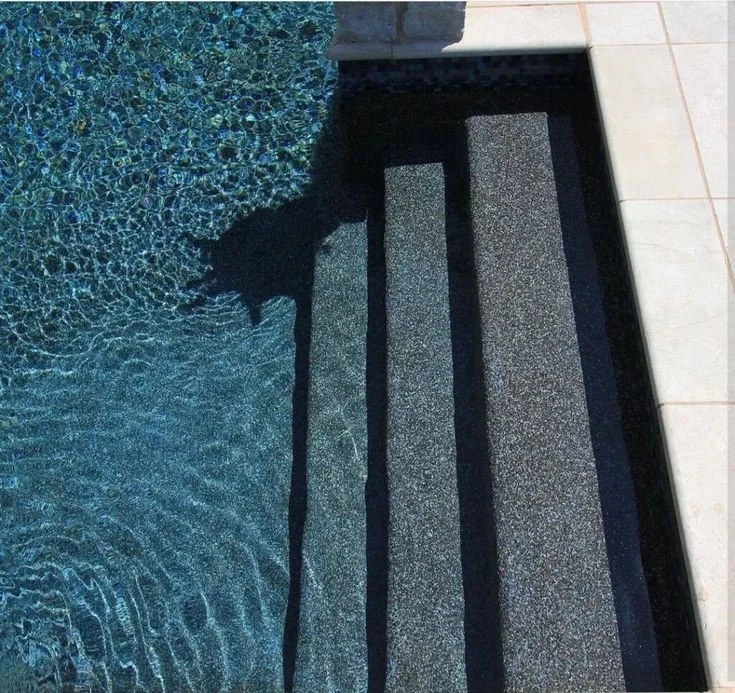
Common shallow features include tanning ledges, beach entries, and wide steps. These zones provide a safe environment for younger swimmers and non-swimmers while also offering adults a comfortable place to relax or socialize.
Transition Zones
Transition zones connect shallow areas to deeper water using a gradual slope rather than an abrupt drop. This design is essential for safety, as it allows swimmers to adjust to changing depths naturally.
These zones are particularly important for families, as they reduce the risk of losing footing unexpectedly. Transition zones also make pools more accessible for seniors or anyone with mobility concerns.
Deep Zones
Deep zones are designed for swimming, exercise, and, in some cases, diving, depending on local safety codes. These areas typically range from 5 feet to 8 feet or more, depending on the pool’s purpose and design limitations.
Not every pool needs a deep end, but for homeowners who enjoy lap swimming, water sports, or diving (where permitted), a properly designed deep zone adds versatility without compromising safety.
Safety Benefits of Thoughtful Depth Design
Safety is one of the strongest arguments for incorporating well-planned pool depth zones. Clear separation between shallow and deep areas helps prevent accidents, especially in households with children or frequent guests.
Gradual slopes, clearly visible steps, and consistent depth transitions reduce the risk of slips and falls. In addition, properly designed depth zones discourage unsafe diving by ensuring that deeper water is only present where appropriate and clearly defined.
Compliance with local building codes and safety standards is also easier when pool depth zones are planned intentionally from the start, rather than added as an afterthought.
Comfort and Usability Advantages
Comfort is just as important as safety when it comes to pool design. Pool depth zones allow homeowners to enjoy their pool in different ways throughout the day and across different seasons.
Shallow zones are perfect for relaxation and socializing, while deeper zones support swimming and physical activity. By accommodating multiple uses, depth zoning ensures that the pool remains enjoyable as lifestyles change,e whether children grow older or homeowners shift toward fitness-focused use.
Designing Pool Depth Zones for Different Users
Every household is different, which is why custom depth planning is so valuable.
- Families with children benefit from extended shallow areas and gentle transitions.
- Seniors or low-impact swimmers appreciate wide steps, benches, and gradual slopes.
- Entertainers enjoy versatile zones that allow guests to mingle comfortably.
- Fitness-focused homeowners often prioritize consistent depths suitable for swimming laps or water workouts.
Proper pool depth zones make it possible to meet all these needs without sacrificing design cohesion.
Popular Custom Depth Zoning Features
Modern pool designs often include features that enhance both safety and comfort through smart depth planning. These may include tanning ledges, swim-outs, benches, and beach entries. Each of these elements contributes to a more user-friendly pool while reinforcing clear depth transitions.
Custom slopes are generally preferred over sharp drop-offs, as they provide a more intuitive and safer swimming experience. These features also add visual interest and architectural appeal to the pool design.
Climate and Lifestyle Considerations
In warmer climates, pools are often used year-round, making depth planning even more important. Shallow zones warm faster and are ideal for casual daily use, while deeper zones remain refreshing during hotter months.
Lifestyle also plays a role. A pool designed primarily for entertaining may emphasize shallow and social zones, while a fitness-oriented pool may focus on consistent depths and swimming lanes. Lot size and layout further influence how depth zones are arranged.
Working with a Professional Pool Designer
Designing effective pool depth zones requires expertise, experience, and a strong understanding of safety standards. A professional pool designer can evaluate your household’s needs, property layout, and long-term goals to recommend the ideal depth configuration.
Investing time in proper depth planning not only improves safety and comfort but also adds lasting value to the pool and the home itself.
Final Thoughts
Pool depth zones are far more than a design detail; they are the foundation of a safe, comfortable, and versatile swimming pool. By thoughtfully planning shallow, transition, and deep areas, homeowners can create a pool that grows with their family, supports multiple activities, and minimizes risk.
Whether you’re building a new pool or renovating an existing one, prioritizing pool depth zones ensures a smarter, safer, and more enjoyable investment for years to come.