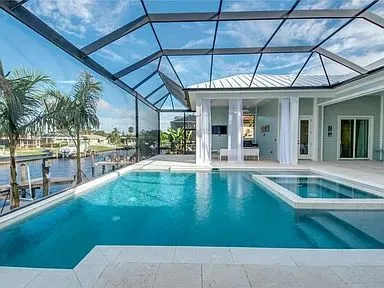
Owning a pool in Florida is one of the greatest perks of living in the Sunshine State. You can swim almost year-round, enjoy warm evenings by the water, and use your backyard as an extension of your home. However, Florida’s climate brings unique challenges that require homeowners to stay proactive. From intense heat to heavy rainfall and hurricane season, understanding how to maintain pools in Florida is essential if you want consistently clear, safe, and inviting water.
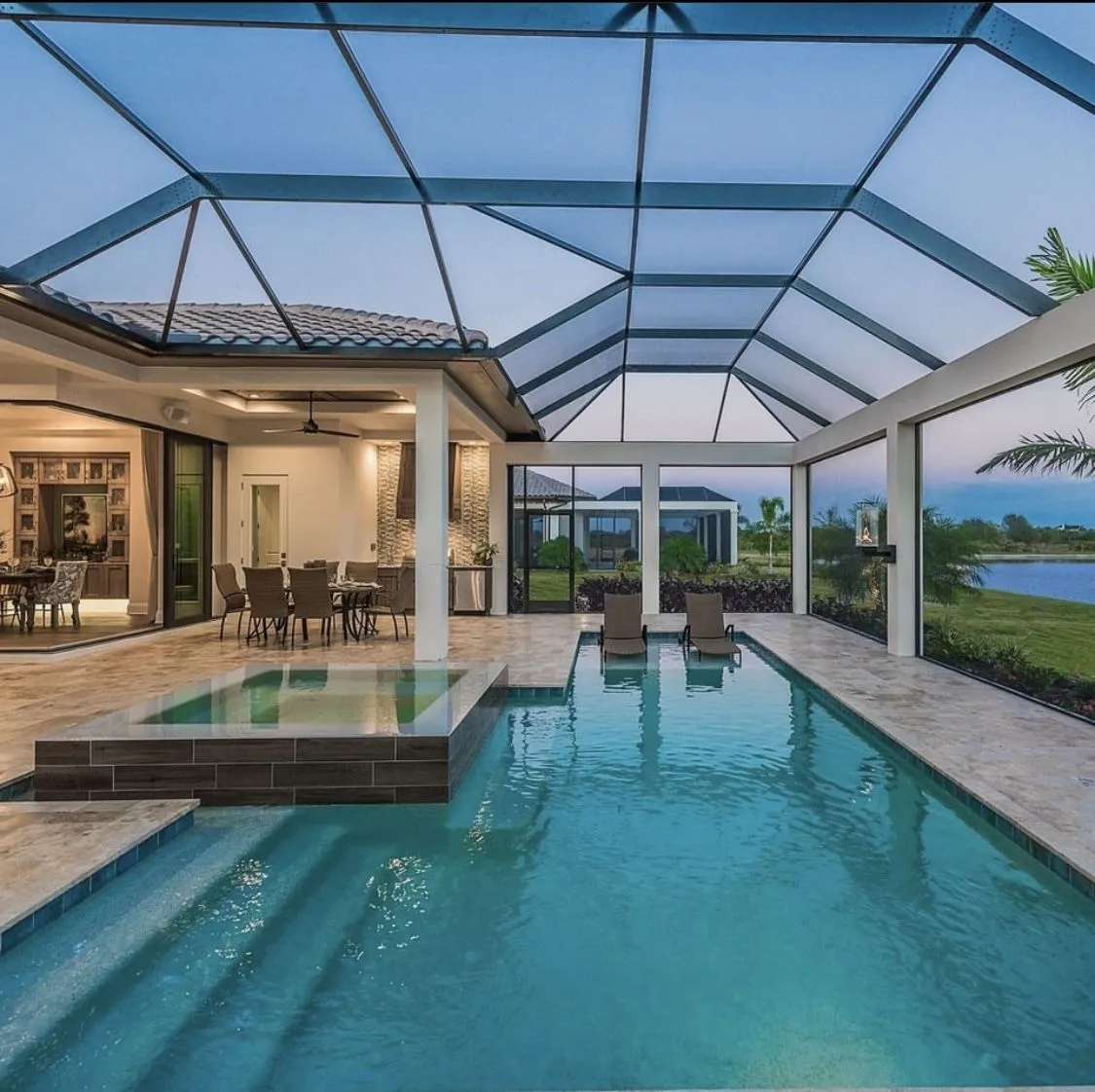
This guide breaks down everything you need to know from weekly upkeep to storm preparation so you can enjoy your pool without the frustration of algae, equipment problems, or unpredictable water chemistry.
Why Maintaining a Pool in Florida Is Different?
Florida’s weather is beautiful, but it also creates the perfect environment for algae and chemical imbalance. High humidity and sun exposure can cause chlorine to burn off quickly. Warm water encourages algae growth. Rainstorms dilute chemicals, and the hurricane season requires added precautions. To effectively maintain pools in Florida, homeowners have to understand how these elements impact their water and equipment.
Weekly Florida Pool Maintenance Checklist
Consistency matters. A simple weekly routine helps prevent costly issues later. Here’s what a typical checklist should include:
1. Skim, Brush, and Vacuum
Frequent debris removal is critical. Leaves, insects, and pollen accumulate quickly in Florida’s outdoor spaces. Skim the surface daily if possible, brush pool walls at least twice a week, and vacuum weekly to stop algae from settling.
2. Check Water Levels
Heavy rain can overflow your pool, while hot days can lower the water level through evaporation. Maintaining consistent levels ensures that your skimmer and pump function properly.
3. Clean the Skimmer and Pump Baskets
These fill quickly during rainy or windy days. A clogged basket restricts water flow and strains your equipment.
4. Run the Pump Regularly
To properly maintain pools in Florida, experts recommend running your pump 8–12 hours per day, especially during the hottest months. Strong circulation is your best defense against algae growth.
Understanding Water Chemistry in Florida Pools
Chemical balance plays a crucial role in keeping your water clear and safe. Because Florida receives intense sunlight, chlorine dissipates faster than in many other states. Rainwater also reduces chlorine concentration and alters ph.
Key levels to monitor:
- Chlorine: 1–3 ppm
- pH: 7.2–7.6
- Alkalinity: 80–120 ppm
- Calcium Hardness: 200–400 ppm
- Stabilizer (CYA): 30–50 ppm
Testing your water 2–3 times per week during summer is a smart strategy.
Preventing Algae: Florida’s Biggest Pool Challenge
Florida homeowners know that algae can take over quickly, sometimes overnight. Warm water, long sunny days, and organic debris create ideal conditions for algae blooms.
To successfully maintain pools in Florida, follow these algae prevention strategies:
- Maintain consistent chlorine levels
- Brush walls and steps regularly
- Shock the pool after heavy rain
- Use an algaecide as an additional preventative measure
- Ensure all equipment (filters, pumps) is functioning correctly
If algae appear, act quickly. Shock the pool, brush thoroughly, and run the pump continuously for 24–48 hours until the water clears.
Seasonal Pool Maintenance in Florida
While Florida doesn’t have harsh winters, each season brings unique maintenance needs.
Spring
- Deep-clean the pool
- Inspect equipment after winter downtime
- Prepare for increased usage
Summer
- The toughest season for pool owners
- Increase testing frequency
- Run the pump longer each day
- Watch for storms that may affect water chemistry
Fall
- Leaves and debris are more common
- Clean filters more frequently
- Maintain chlorine levels as temperatures transition
Winter
- No closing required
- Reduce pump run times slightly due to cooler temperatures
- Maintain chemical balance even if you’re using the pool less frequently
Storm and Hurricane Preparedness for Florida Pools
Knowing how to prepare your pool before and after a storm is critical.
Before the Storm:
- Lower water levels slightly
- Turn off the power to your pool system
- Secure outdoor furniture so it doesn’t blow into the pool
- Never drain your pool completely, as this can cause structural damage
After the Storm:
- Remove debris
- Test and rebalance chemicals
- Shock the pool if needed
- Inspect equipment for damage
Learning how to maintain pools in Florida during hurricane season helps prevent long-term issues and costly repairs.
Common Pool Problems and How to Solve Them
Even with regular maintenance, issues can arise. Here are common Florida pool problems and quick solutions:
- Cloudy Water: Check filtration, balance chemicals, and increase circulation.
- Green Pool: Shock immediately and run the pump continuously.
- Low Chlorine: Add stabilizer (CYA) to protect chlorine from sunlight.
- Calcium Buildup: Use a pool-safe descaling solution or hire a professional.
- Poor Circulation: Clean filters and baskets, and check pump performance.
Final Thoughts
To maintain pools in Florida, homeowners must combine routine cleaning, proper chemical balance, and climate-aware strategies. With consistent care, your pool can remain sparkling, inviting, and safe throughout the year. A well-maintained pool also protects your investment and enhances the quality of life, whether you’re swimming daily or simply enjoying the view.