When designing or resurfacing a swimming pool, one of the most important yet often underestimated decisions is the pool finish. Pool finishes do far more than simply seal the pool shell; they directly influence how the water looks, how the surface feels underfoot, and how much maintenance the pool will require over time. Choosing the right material can elevate a pool from ordinary to exceptional while ensuring long-term durability and comfort.
This guide breaks down the most common pool finishes, explaining how each material impacts appearance, texture, and overall swimming experience.
What Are Pool Finishes and Why Do They Matter?
Pool finishes are the final interior coating applied to a swimming pool’s structure, typically over concrete or gunite. Their primary role is to protect the pool shell from water damage, but they also define the pool’s visual identity and tactile feel. The color, texture, and composition of pool finishes influence water tone, light reflection, and even surface temperature.
Selecting the right pool finish is not just an aesthetic decision; it is a functional one that affects longevity, safety, and daily enjoyment.
Key Factors to Consider When Choosing Pool Finishes
Before comparing materials, it is essential to understand the factors that should guide the decision-making process.
Appearance is often the first consideration. Different pool finishes can create dramatically different water colors, ranging from classic light blue to deep lagoon-style hues. Texture and comfort also matter, especially for families or pools with high foot traffic. Durability and resistance to staining, chemicals, and weather conditions will determine the lifespan of the finish. Finally, maintenance requirements and cost play a major role in long-term ownership satisfaction.
Balancing these factors ensures the pool finish aligns with both lifestyle and budget.
Plaster Pool Finishes: Classic and Cost-Effective
Plaster is the most traditional and widely used pool finish. Typically, white or lightly tinted plaster creates a clean, bright appearance that enhances a classic blue watercolor. Its smooth texture is comfortable for swimmers, making it a popular choice for residential pools.
However, plaster pools are more porous than other options, which means they can be susceptible to staining, etching, and discoloration over time. They generally require more frequent maintenance and resurfacing, often lasting 7 to 10 years. Plaster is ideal for homeowners seeking an affordable solution with a timeless look, provided they are prepared for regular upkeep.
Quartz Pool Finishes: Enhanced Durability and Color
Quartz pools combine plaster with crushed quartz aggregates, resulting in a more durable and visually appealing surface. Quartz enhances color consistency and adds subtle sparkle to the water, creating a refined yet modern appearance.
Compared to standard plaster, quartz finishes are more resistant to staining and chemical damage. Their texture is slightly more granular but remains comfortable underfoot. With a lifespan of approximately 10 to 15 years, quartz pools strike a strong balance between aesthetics, durability, and cost, making them a popular mid-range option.
Pebble Pool Finishes: Natural Beauty and Longevity
Pebble pool finishes, also known as aggregate finishes, are made from small natural stones embedded in cement. These finishes are prized for their organic appearance and ability to create rich, vibrant watercolors that resemble natural bodies of water.
Pebble finishes are among the most durable pool finishes available, often lasting 15 to 20 years or more. They are highly resistant to chemicals, staining, and wear. While traditional pebble surfaces can feel textured, modern polished pebble options offer a smoother feel without sacrificing durability. These finishes are ideal for homeowners prioritizing longevity and visual impact.
Tile Pool Finishes: Luxury and Design Flexibility
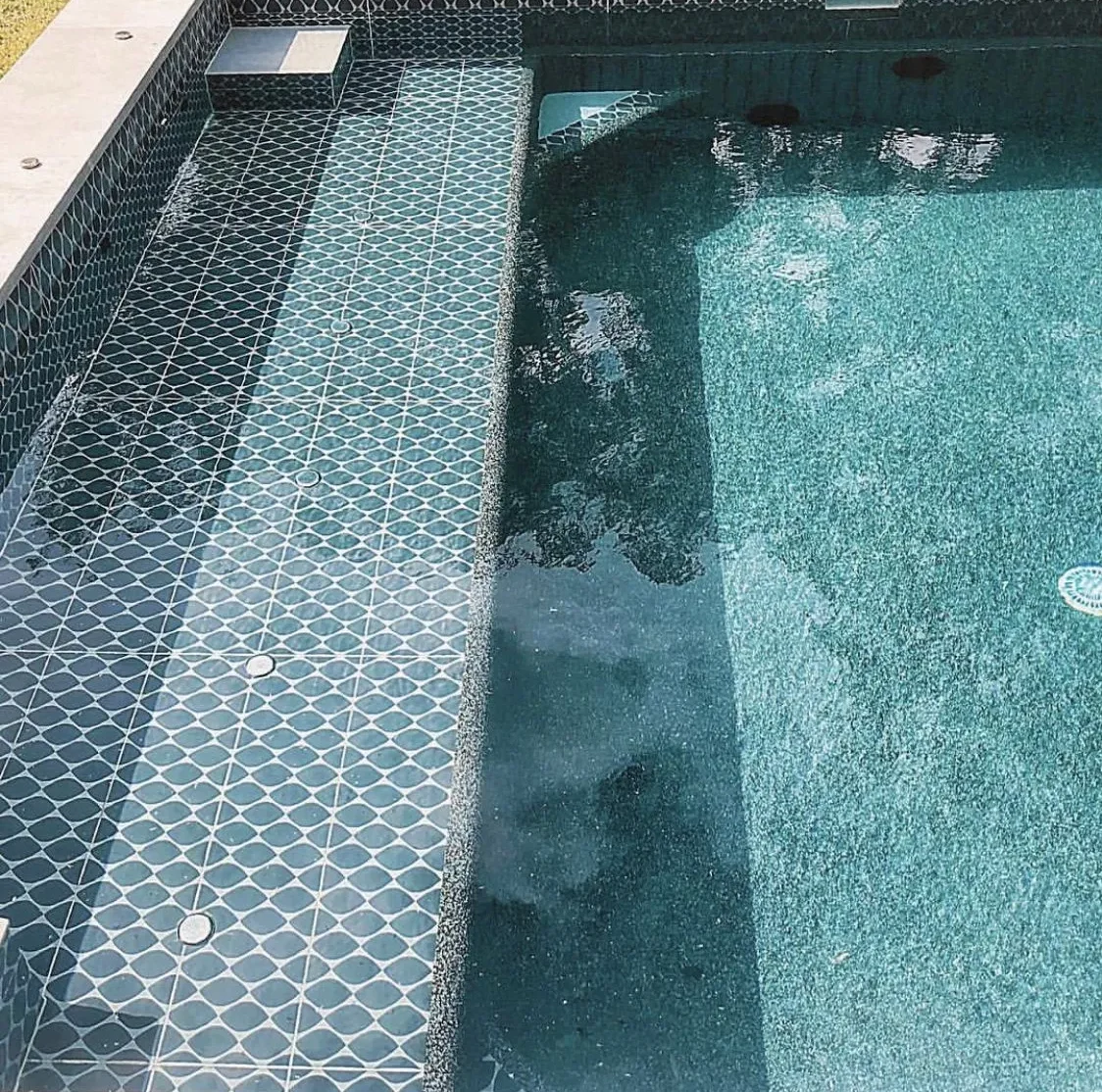
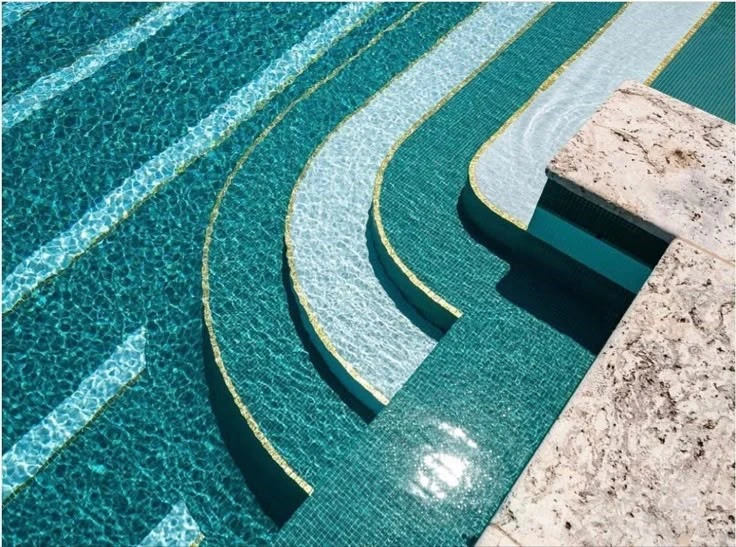
Tile pool finishes represent the premium end of the market. Available in ceramic, porcelain, and glass, tile offers unmatched design flexibility and a smooth, luxurious feel. Glass tiles, in particular, reflect light beautifully, creating a shimmering water effect.
Tile finishes are non-porous, making them highly resistant to stains and fading. While the tiles themselves are durable, grout lines require regular maintenance to prevent buildup. Due to higher material and installation costs, tile pool finishes are best suited for feature pools, waterlines, or luxury projects where visual impact is a top priority.
How Pool Finishes Affect Water Color
One of the most noticeable effects of pool finishes is how they influence water color. Light-colored finishes reflect more sunlight, resulting in bright blue water, while darker finishes absorb light, creating deeper blues or greenish lagoon tones. Texture also plays a role, as aggregate finishes scatter light differently than smooth plaster surfaces.
Understanding how pool finishes interact with sunlight, landscaping, and pool depth helps homeowners achieve the desired visual outcome.
Comfort, Safety, and Temperature Considerations
The feel of a pool surface is especially important for families, children, and frequent swimmers. Smooth finishes, such as plaster and tile, are gentle on skin, while textured finishes provide added slip resistance. Polished pebble finishes offer a middle ground, delivering durability without excessive roughness.
Surface color can also affect temperature. Darker pool finishes tend to absorb more heat, which can slightly warm the water in sunny climates.
Maintenance and Long-Term Value
Maintenance requirements vary significantly among pool finishes. Plaster requires diligent chemical balance and more frequent resurfacing. Quartz and pebble finishes are more forgiving and durable, reducing long-term maintenance costs. Tile finishes are easy to clean but demand attention to grout upkeep.
Choosing the right finish can minimize future repairs and extend the pool’s usable lifespan, offering better long-term value.
Choosing the Right Pool Finish for Your Lifestyle
The best pool finishes depend on how the pool will be used. For homeowners seeking affordability and simplicity, plaster may be sufficient. Those wanting enhanced durability and color may prefer quartz. Pebble finishes suit those prioritizing longevity and natural aesthetics, while tile appeals to luxury-focused designs.
Final Thoughts
Pool finishes play a critical role in shaping both the look and feel of a swimming pool. From classic plaster to premium tile, each material offers distinct advantages and considerations. By understanding how pool finishes impact appearance, comfort, and maintenance, homeowners can make confident decisions that enhance enjoyment and protect their investment for years to come.